
Filter
Showing 1–9 of 62 results


Participants will develop the ability to understand the unique dynamics of pharmaceutical selling, manage territories effectively, and conduct impactful doctor interactions within limited consultation time. They will learn how to plan productive field calls, build professional relationships with healthcare professionals, support prescription generation, collaborate with chemists to ensure prescription fulfillment, and maintain professional conduct and compliance standards in pharmaceutical marketing.

ABM / First Line Manager Development Program
Participants will develop the ability to lead and manage medical representative teams, analyze field reports and market intelligence, and drive territory-level business performance. They will learn how to coach team members through joint field work, support consultative selling, onboard new representatives effectively, manage vacant territories without business disruption, and use RCPA insights to guide strategy execution and improve market competitiveness.

Capital Investment Analysis: Pharma Strategy

Participants will develop the ability to evaluate pharmaceutical capital investments using financial modeling, clinical development insights, and regulatory risk assessment. They will learn how to assess project feasibility, estimate long-term value, and prioritize investment opportunities that support innovation, regulatory compliance, and sustainable business growth.

Participants will learn how pharmaceutical products are costed and priced across global markets while considering regulatory controls, reimbursement frameworks, and competitive dynamics. They will develop the ability to evaluate drug development costs, design value-based pricing models, and create international pricing strategies aligned with market access objectives and profitability goals.


Participants will gain a clear understanding of the stages involved in pharmaceutical drug discovery and development. They will learn how drug targets are identified, how potential drug candidates are screened and optimized, and how preclinical and clinical studies are designed to evaluate safety and efficacy. The program will also develop understanding of regulatory approval pathways, commercialization considerations, and emerging technologies that are transforming pharmaceutical research and development.
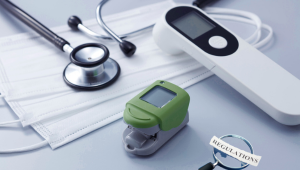
Participants will gain a structured understanding of the regulatory frameworks governing medical devices and in-vitro diagnostic devices in the European Union. They will learn how device classification influences regulatory pathways and how to prepare technical documentation aligned with MDR and IVDR requirements. The program will also build knowledge of conformity assessment procedures, clinical evaluation expectations, and post-market surveillance obligations. By the end of the course, participants will be able to support regulatory strategy, ensure documentation readiness, and maintain compliance for devices entering or operating within the EU market.

Participants will gain a comprehensive understanding of the regulatory framework governing medical devices in Canada. They will learn how device classification determines regulatory pathways and how to prepare submissions for Medical Device Licenses. The program will also build knowledge of quality management system requirements, post-market surveillance responsibilities, and regulatory documentation expectations. By the end of the course, participants will be able to support successful regulatory submissions and maintain compliance with Health Canada requirements.

Participants will gain a clear understanding of the regulatory framework governing pharmaceutical importers and distributors. They will learn how supply chain processes must align with regulatory requirements related to product verification, traceability, documentation, and storage conditions. The program will help professionals understand the roles and responsibilities of economic operators in maintaining product quality and compliance across the distribution network. By the end of the program, participants will be able to implement compliant supply chain practices that support regulatory readiness and product integrity.

Participants will gain the ability to understand the European regulatory framework governing medical device commercialization and evaluate how regulations influence market access strategy. They will learn how to assess device classification, conformity assessment routes, and CE marking requirements when planning EU entry. The program will also strengthen the ability to analyze notified body engagement, clinical evidence expectations, and post-market compliance obligations. By the end of the program, participants will be able to develop a structured market access roadmap and make informed go-to-market decisions for medical device products.