
Filter
Showing 28–36 of 234 results

Participants will gain a clear understanding of different forms of food fraud and adulteration and their impact on food safety, brand reputation, and regulatory compliance. They will learn how to conduct vulnerability assessments across supply chains, implement authenticity testing methods, and establish preventive control systems. The program will also build capabilities in supplier risk management, fraud monitoring, and compliance with global food safety standards that address authenticity risks.

Participants will develop a comprehensive understanding of loyalty program design and consumer engagement strategies in modern retail ecosystems. They will learn how to build loyalty platforms that integrate with retail technology systems, analyze customer behavior data, and personalize engagement initiatives. The program will also build capabilities in scaling loyalty initiatives across omnichannel retail environments while measuring program effectiveness and return on investment. By the end of the course, participants will be able to design sustainable loyalty ecosystems that enhance customer engagement and maximize lifetime value.
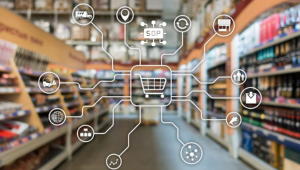
Participants will gain a clear understanding of how key retail technology modules interact within modern retail ecosystems and how they support operational workflows. They will learn how to map retail processes, integrate digital systems across departments, and develop structured SOP frameworks that standardize operations. The program will also build capabilities in documenting procedures, managing cross-functional coordination, and improving operational efficiency. By the end of the course, participants will be able to design scalable SOP frameworks and ensure effective system integration across retail operations.

Participants will gain a strong understanding of global regulatory frameworks governing food packaging safety and compliance. They will learn how to evaluate packaging materials for food-contact suitability, assess chemical migration risks, and interpret regulatory limits established by international authorities. The program will also build expertise in packaging compliance documentation, safety testing requirements, and regulatory approval processes. By the end of the course, participants will be able to ensure that food packaging systems meet safety standards while supporting global market access for FMCG products.
Participants will gain a clear understanding of the key global food safety frameworks and their role in ensuring safe food production and supply chain integrity. They will learn how standards such as ISO 22000, GFSI-recognized schemes, and BRCGS establish requirements for hazard control, traceability, and food safety management. The program will also build capabilities in implementing food safety systems, preparing for certification audits, and managing compliance across global supply chains. By the end of the course, participants will be able to strengthen food safety governance and align organizational practices with internationally recognized standards.

Participants will gain a comprehensive understanding of HACCP principles and their application in pharmaceutical production environments. They will learn how to conduct hazard analysis, identify critical control points, and establish monitoring and corrective action mechanisms. The program will also build expertise in integrating preventive controls into quality management systems, managing documentation, and preparing for regulatory audits. By the end of the course, participants will be able to design risk-based control systems that enhance product safety, regulatory compliance, and operational reliability.

Good Manufacturing Practices (GMP) for Food & Beverage: Compliance, Quality & Operational Excellence
Participants will gain a clear understanding of GMP principles and their role in ensuring safe food manufacturing operations. They will learn how to design hygienic production environments, implement effective sanitation and contamination control measures, and establish quality monitoring systems across manufacturing processes. The program will also build capabilities in managing documentation, regulatory inspections, and continuous improvement initiatives. By the end of the course, participants will be able to strengthen GMP compliance while improving operational reliability and product quality.
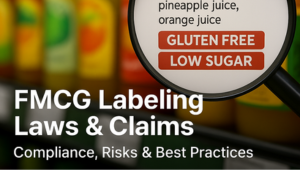
Participants will gain a clear understanding of the regulatory frameworks governing labeling and product claims in the FMCG industry. They will learn how to structure compliant labels, evaluate permissible marketing claims, and ensure accurate consumer information disclosure. The program will also build expertise in identifying regulatory risks associated with labeling errors, substantiating claims with evidence, and implementing internal review processes. By the end of the course, participants will be able to support compliant labeling strategies that align regulatory requirements with marketing objectives.
Participants will gain a structured understanding of the regulatory frameworks governing medical devices and in-vitro diagnostic devices in the European Union. They will learn how device classification influences regulatory pathways and how to prepare technical documentation aligned with MDR and IVDR requirements. The program will also build knowledge of conformity assessment procedures, clinical evaluation expectations, and post-market surveillance obligations. By the end of the course, participants will be able to support regulatory strategy, ensure documentation readiness, and maintain compliance for devices entering or operating within the EU market.