
Filter
Showing 1–9 of 49 results


Participants will develop the ability to analyze combustion behavior in internal combustion engines using engineering data and diagnostic techniques. They will learn how to interpret combustion parameters, optimize air–fuel mixing, and apply advanced practices that improve engine efficiency, emissions performance, and overall powertrain development outcomes.

Participants will understand how sustainable materials, green manufacturing processes, and circular economy strategies are transforming tyre production. They will learn how tyre manufacturers reduce carbon emissions, optimize resource utilization, and develop environmentally responsible tyres while maintaining safety, durability, and performance standards.
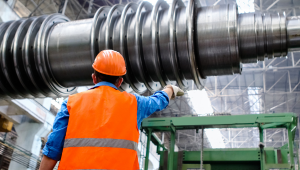
Participants will understand how Industry 4.0 technologies such as industrial IoT, machine data analytics, connected production systems, and digital twins improve tyre manufacturing operations. They will learn how to implement smart factory systems to enhance process visibility, predictive maintenance, quality control, and production efficiency in modern tyre plants.

Participants will develop a deep understanding of rubber material science and compounding techniques used in high-performance tyre manufacturing. They will learn how different polymers, fillers, and additives influence tyre performance characteristics such as wear resistance, traction, and rolling resistance. The program will also build practical knowledge on compound formulation, processing conditions, and quality control techniques used to produce consistent high-performance tyre materials. By the end of the course, participants will be able to evaluate and optimize rubber compounds to meet demanding automotive performance requirements.
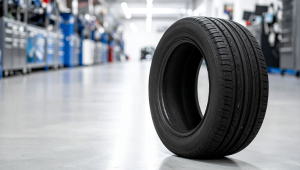
Participants will develop a clear understanding of modern tyre manufacturing technologies, advanced materials, and automation systems used in contemporary production facilities. They will learn how tyre design requirements translate into manufacturing processes, how digital manufacturing tools improve production quality, and how emerging technologies such as smart manufacturing and sustainable materials are transforming tyre production. By the end of the program, participants will be able to evaluate and implement modern manufacturing technologies to improve efficiency, quality, and operational performance.

Participants will gain the ability to understand BS-VI emission regulations for three-wheelers, interpret emission testing results, and support certification and compliance management activities during vehicle development and approval.

Participants will gain the ability to understand BS-VI emission requirements for two-wheelers, evaluate emission testing results, and support regulatory certification and compliance management activities.

Emission Type Approval & BS-VI Compliance for Quality & Regulatory Compliance in Automotive
Participants will gain the ability to understand BS-VI emission regulations, support emission testing programs, evaluate compliance results, and contribute to vehicle certification and regulatory approval processes.

Participants will gain the ability to understand engine electronic architectures, diagnose EMS faults using professional diagnostic tools, and support compliance with emission and safety regulations.